





These are entries related to changing the culture in the entrepreneurial community in the Boston region. Sparked by the Cultural Revolutionaries meeting and subsequent discussions.

It's a great time to be a Student in Boston

There are a lot of really excited students out there eager to break into the Boston start up community. There’s also a lot of supportive entrepreneurs eager to help them. Now... how do we get these people talking?


Entrepreneurship programming has students excited about startups at all our universities. Now what do we do with them?

It is nothing short of amazing to see the entrepreneurial revolution happening at our local universities. From the EClub and IDEA programs at Northeastern to ILab and HackHarvard at Harvard to StartLabs and Startup Club at MIT to the BCVC at BC and the VDC at UMass Boston, there are tons of programs at different schools. This is creating hundreds of startup hungry students.

Right now our biggest challenge is making them aware of our ecosystem, but soon I believe we may solve that issue, but be left with a new challenge: What to do with all of them?

Why I miss DartBoston and if you care about Student Retention, you should too.

I miss DartBoston.  Yes, there's a DartBoston still around today, but I miss Classic DartBoston. The group all about young and student entrepreneurs. I miss the energy of their Thursday night Pokin Holes events and the community it formed. I miss the one of a kind atmosphere that removed any fear from your first networking event and brought out a uber-high-caliber group of young entrepreneurs. Today's DartBoston is great with their flip cup and concerts, but it does not have the same effect of the Classic DartBoston days. That's why I miss DartBoston and if you care about student retention, you should too.
Can Boston Do Consumer and Does It Matter?

Last week, I wrote about what I felt was Boston's startup identity. The goal was to help us crystallize who we are, what we're best at and what we have to offer to potential entrepreneurs looking to move to or otherwise join our ecosystem.  As important was the goal to expose what we're not.  The single biggest thing Boston is not is a good place for pure consumer internet plays.

Before you jump out of your seat, follow me for a moment...

Boston's Startup Identity: Embracing Who We Are

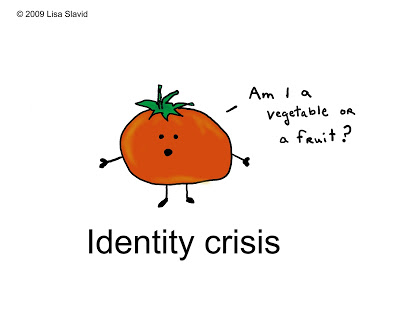
Boston has an identity crisis. Like a bad startup, we're trying to be everything to everyone. But we're not and we perform a great disservice to ourselves by being in denial of who we really are. We must not only embrace our strengths and weaknesses, but proudly display them. Just like a good startup looking to recruit a good culture fit, you attract the best when you can clearly show them why they should join you. It's time we did this for Boston.

After spending the last 2.5 years in our ecosystem and visiting NYC and Silicon Valley's ecosystems, I'm going to take a stab at defining Boston's identity. (Special thanks to Bill Warner and others at the Nantucket Conference who discussed this months ago, but didn't quite complete crystallizing.)

The Boston Success Project - 10 Ways We're Winning

Boston has a habit of being a cynical town. We love our hard data and empirical proof. We sometimes dwell more on what's not working than what does. This can often help improve your product, your environment or yourself, but as Rob May so accutely noted, it can be even more beneficial to push harder on what is working.

Looking around the Boston startup community, there's much to be positive about. It's just hiding under the surface and not being highlighted nearly as much as our deficiencies lately.

Here at Greenhorn Connect, we're all about empowering the community, so since no single person could hope to know all the good things happening in town,  I'm asking for your help in building a list of things to celebrate and be proud of in our ecosystem.


Does Boston Have Too Many Startups? A response to Kirsner’s Sunday Globe Article

In the Sunday Globe this week, Scott Kirsner posed the question, "Does Boston Have Too Many Startups?"  The article seemed to try to make the argument that all our little startups should just be employees at bigger startups (disregarding how bigger startups, start out...).

The article is really best summed up in the quote in the article by Craig Driscoll, "companies that hope to grow need to do more than complain about how tight the talent market is." I find it fitting that coincidentally, Ryan Durkin, COO of CampusLive (and mentee of Mr. Driscoll as a Highland Capital portfolio company) writes about attracting talent today.

I've spoken with a number of friends about the article and had some interesting Twitter conversations as well and wanted to highlight some of the key points that came from them.  (Note: Kirsner sought out some thoughts which you can see on his Globe blog here.)

Is Boston the Rodney Dangerfield of Startup Ecosystems?

Watching the startup world evolve over the past couple of years, I've noticed an interesting trend.  Despite all our improvements and changes over this time, New York has drawn most of the attention after the omnipresent Silicon Valley. Like the entertaining comedian of the '80s and '90s, it seems we've become akin to Rodney Dangerfield (best known for his standup and role in Caddyshack): we get no respect.

The Boston Startup Guide - Part II: Finding Mentors

We all get them. Those emails that make you cringe, just a little.  Some brand new entrepreneur emails you for help. You're busy and you're not sure you're the right person to help. They seem like they lack even some of the most basic knowledge to get started.  But they're asking you for help...probably hoping for a meeting or maybe an intro to a trusted contact.

In Boston, we have a habit of just wanting to click the delete button on such messages, or simply declining citing a desire to "focus on my startup" right now or just not being "the right person." We can do better than that. If you really can't take the meeting, let's leave each of these new entrepreneurs pointed in the right direction. The Boston Startup Guide is here to help you do that. 

In Part II, we're covering what to do when a new entrepreneur is looking for mentors and you can't help them yourself.  There are great things you can point them to and we're going to share them with you so you can copy and paste them in your next message, so you can say still help them even if you can't take that meeting. 

The Boston Startup Guide - Part I: When New Entrepreneurs Want Funding

We all get them. Those emails that make you cringe, just a little.  Some brand new entrepreneur emails you for help. You're busy and you're not sure you're the right person to help. They seem like they lack even some of the most basic knowledge to get started.  But they're asking you for help...probably hoping for a meeting or maybe an intro to a trusted contact.

In Boston, we have a habit of just wanting to click the delete button on such messages, or simply declining citing a desire to "focus on my startup" right now or just not being "the right person." We can do better than that. If you really can't take the meeting, let's leave each of these new entrepreneurs pointed in the right direction. The Boston Startup Guide is here to help you do that. 

In Part I, we're covering what to do when a new entrepreneur is looking for funding and is likely not really ready for funding.  There are great things you can point them to and we're going to share them with you so you can copy and paste them in your next message, so you can say still help them even if you can't take that meeting. 

Syndicate content