









 Thanks to all the press embracing technology, the movie the Social Network and the emergence of the consumer web and mobile apps, entrepreneurship is in the spotlight again. With that comes the interest and excitement of students in college. You can see it on all the campuses around Boston as seemingly every school has an entrepreneurship club, a startup mentoring program and hackfests. These programs do everything from inspiring new entrepreneurs to coaching them through their first venture.
 I miss DartBoston. Yes, there's a DartBoston still around today, but I miss Classic DartBoston. The group all about young and student entrepreneurs. I miss the energy of their Thursday night
 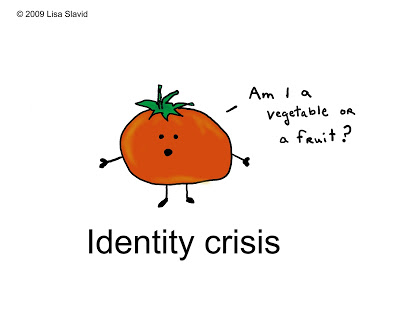 Boston has an identity crisis. Like a bad startup, we're trying to be everything to everyone. But we're not and we perform a great disservice to ourselves by being in denial of who we really are. We must not only embrace our strengths and weaknesses, but proudly display them. Just like a good startup looking to recruit a good culture fit, you attract the best when you can clearly show them why they should join you. It's time we did this for Boston.
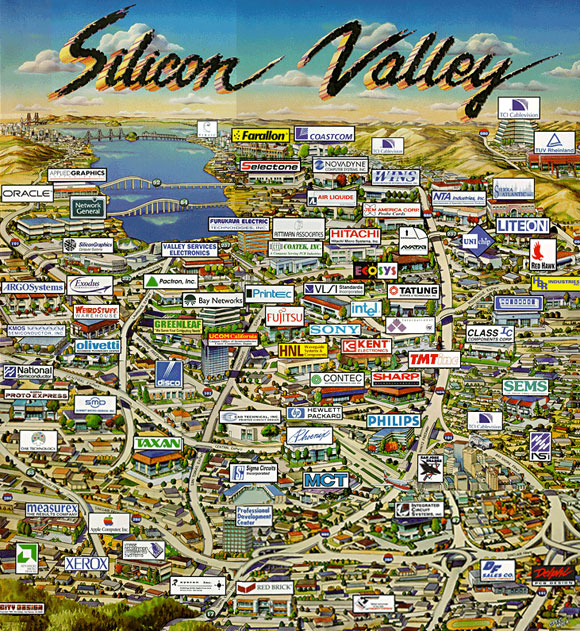 If you've been following my Twitter stream
  I've been very fortunate over the past few months to get some really awesome press coverage for myself and Greenhorn Connect. I also worked at a startup where the CEO was extremely adept at garnering press as well. From these combined experiences, I've learned a bit about getting press. I'd like to share some of those lessons here and hope you'll leave any lessons you have in the comments.
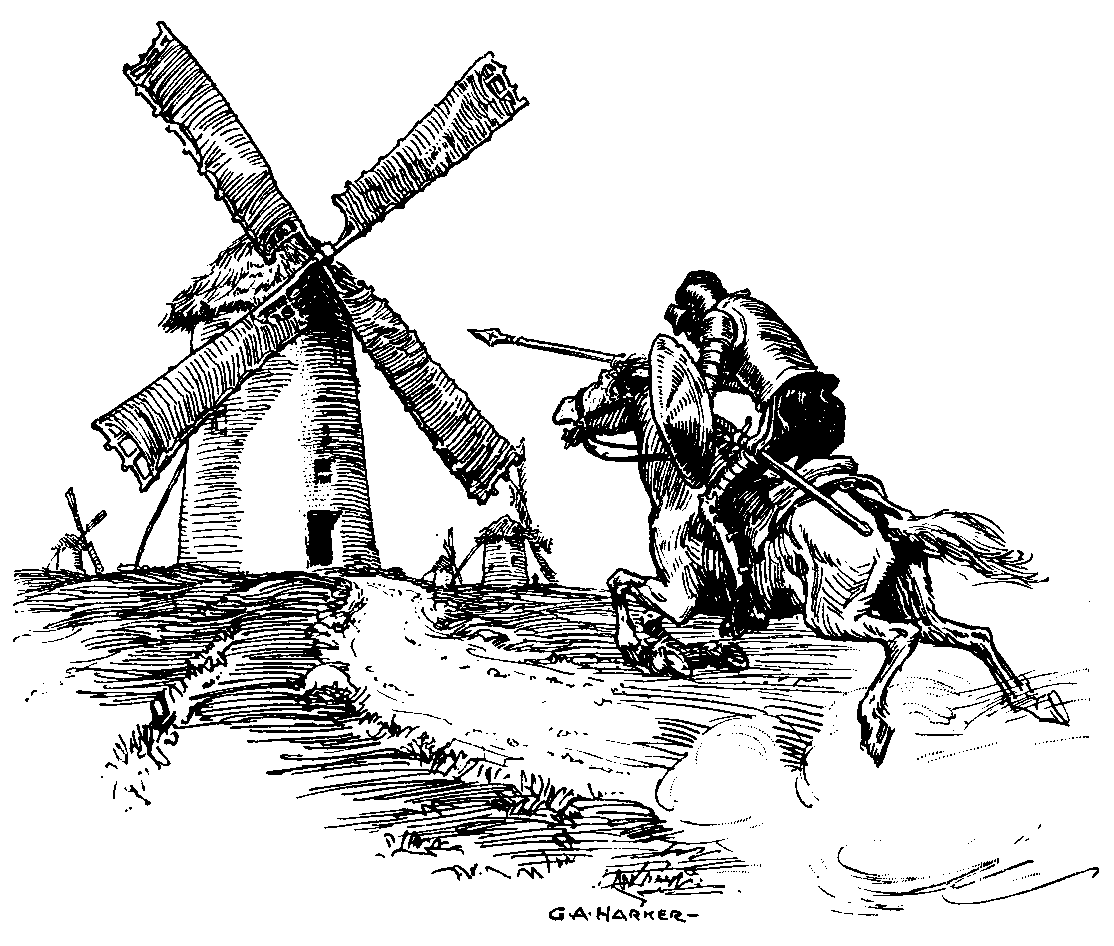 In the famous story of Don Quixote,
Sponsors

|
Blog Categories
Monthly archive
March 2014
(1)
September 2013
(3)
August 2013
(1)
July 2013
(2)
June 2013
(4)
May 2013
(4)
April 2013
(5)
March 2013
(4)
February 2013
(5)
January 2013
(5)
December 2012
(2)
November 2012
(2)
October 2012
(5)
September 2012
(7)
August 2012
(9)
July 2012
(6)
June 2012
(8)
May 2012
(10)
April 2012
(9)
March 2012
(7)
February 2012
(11)
January 2012
(8)
December 2011
(7)
November 2011
(7)